
The most successful businesses don’t just attract customers—they guide them through a seamless journey that builds trust, delivers value, and leads to repeat business. Automation is the key to delivering a seamless customer experience, ensuring every interaction is smooth, integrated, and tailored to customer needs. But manually managing that process? It’s overwhelming and inconsistent. Enter: customer journey automation.
Automation not only streamlines your processes but also optimizes every customer touchpoint, contributing directly to your business’s overall success. With the right systems in place, you can create a predictable, personalized experience for every lead and customer, without spending hours doing it manually.
Here’s how to build a marketing automation customer journey that works for you while you sleep.
Step 1: Create Your Customer Journey Map
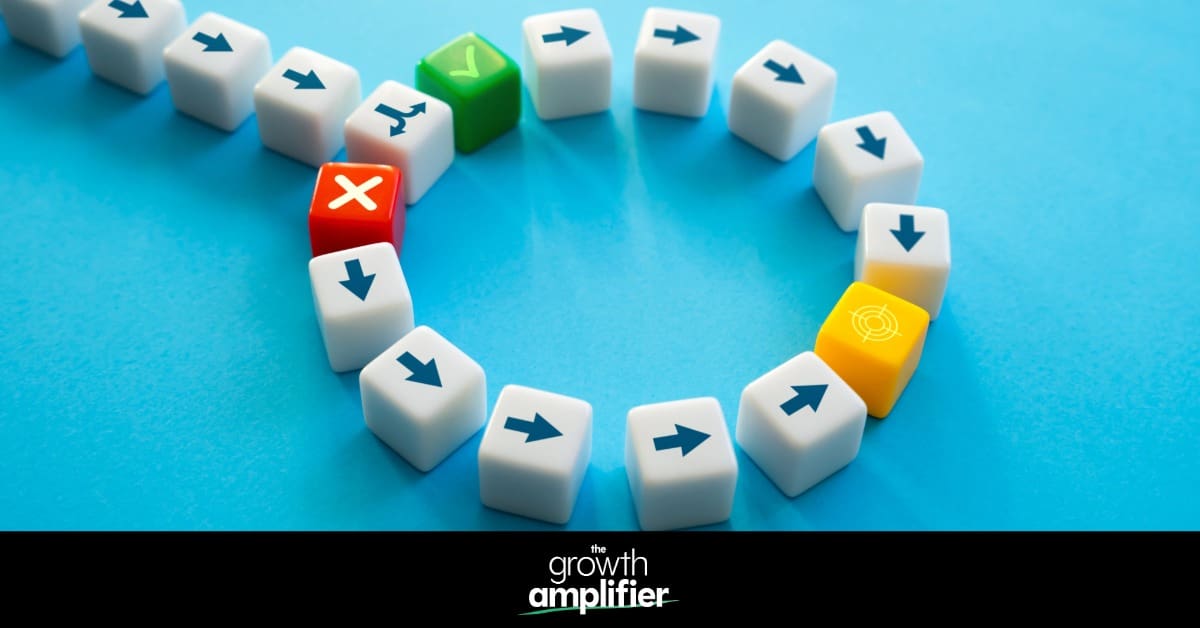
A customer journey map is a visualization of the journey your customer takes as they engage with your company. Start by visualizing the ideal path from awareness to advocacy using customer journey mapping tools to create a visual representation. Identify key milestones:
- Discovering your brand
- Signing up for a freebie
- Making a purchase
- Using your product
- Referring others.
As you map the touchpoints, be sure to identify the key ones along the user journey. It’s crucial to build a comprehensive map that reflects the customer’s perspective, capturing all relevant interactions and emotions throughout their experience.
Your job? Automate meaningful interactions at each step. User journey mapping and journey maps help you identify stages and optimize the experience, ensuring every touchpoint is aligned with your business goals and customer needs.
Step 2: Capture and Segment Leads
Use lead magnets—like downloadable guides or quizzes—to gather contact information. Data gathering is essential at this stage; collect data from various sources such as customer feedback, business analytics, and competitive insights to inform your approach.
Then, segment those leads based on interests, behaviors, or demographics. Use quantitative data to analyze customer actions and the motivations of potential customers. This allows your automation to speak directly to each group’s unique needs and goals.
Step 2.1: Define Your Buyer Personas
Before you can truly personalize and automate your customer journey, you need to know exactly who you’re speaking to. That’s where defining your buyer personas comes in—a foundational step in the customer journey mapping process that sets the stage for every automated interaction to follow.
A buyer persona is a semi-fictional profile of your ideal client, built from real data and market research. For consultants and service-based business owners, this means digging into your existing customer base to uncover patterns in:
- Demographics
- Business size
- Industry
- Goals
- Challenges they face
Are your best clients solo consultants looking to scale, or boutique firms seeking to streamline their lead generation? What are their biggest pain points—unpredictable revenue, lack of authority, or time constraints?
To create a customer journey map that resonates, start by gathering data from all these touchpoints: CRM systems, customer feedback forms, social media analytics, and even direct conversations. Look for trends in customer behavior, such as how they found you, what content they engage with, and what triggers them to book a call or sign up for your Profit Multiplier program. Pay close attention to their expectations and the obstacles that slow their buying process.
For example, you might identify a persona like “Scaling Consultant Sam”—an independent consultant generating steady revenue but struggling with inconsistent leads and long hours. Sam values actionable strategies, wants to build authority, and is looking for a marketing automation solution that doesn’t require hiring a big team. By understanding Sam’s needs, you can create a customer journey map that delivers targeted educational content, timely email campaigns, and automated systems that address his specific pain points.
Step 3: Build Smart Email Sequences
To automate your initial email and all subsequent communications, start by choosing the right email marketing tool that fits your business needs and integrates with your CRM.
Create automated email flows that nurture your leads over time. From the initial email, which sets the tone for your relationship, to educational content and exclusive offers, each message should feel timely and relevant. With marketing automation customer journey tools, you can trigger emails based on specific actions the customer takes, such as link clicks, page visits, or purchases. Sales teams can also leverage automation to respond quickly and personally to these triggers, ensuring a seamless and engaging customer experience.
Step 4: Personalize the Experience
A customer journey automation is a system that automatically tracks all interactions and communications between a customer and the business. One would think it is just about sending emails, though. Still, it’s all about creating connections: automation enables you to deliver personalized experiences across multiple touchpoints as customers interact with your brand. Use merge tags, conditional content, and behavior tracking to ensure each message feels tailored to the individual.
Example: If someone downloads your social media guide, follow up with tips on automation tools or success stories from similar businesses.
These personalized experiences across multiple touchpoints not only improve customer satisfaction but also help build brand loyalty.
Step 5: Analyze and Optimize
The magic of automation? It’s measurable. Automation also helps reduce human error and improves customer satisfaction by ensuring consistent, timely interactions. Track open rates, conversions, and drop-off points. Refine your content and timing based on real data, not guesswork. Analyzing these results can lead to repeat purchases, higher customer retention, and increased sales as you optimize each touchpoint. Use a service blueprint to align your automated customer journey with your business objectives and business goals, ensuring operational improvements support your strategy. Keep evolving your journey to improve results. For overall success, always define objectives clearly at the outset and consider changing market dynamics to stay customer-centric and competitive.
What’s the Fastest Way to Implement Automated Customer Journeys
Your customer journey doesn’t have to be manual, messy, or inconsistent. With customer journey automation, you can scale your efforts, deepen engagement, and drive revenue—without adding to your workload.
At The Growth Amplifier, we make marketing automation simple and powerful.
Let’s map your journey, automate it, and turn it into a growth engine. Ready to amplify your customer experience? Let’s go.